
Order Hand-Off App
Built age verification into an adaptive, peak-hour system achieving 93% compliance, 90% satisfaction, and consistent 3-minute hand-offs.
Order Hand-Off App
Built age verification into an adaptive, peak-hour system achieving 93% compliance, 90% satisfaction, and consistent 3-minute hand-offs.
Order Hand-Off App
Built age verification into an adaptive, peak-hour system achieving 93% compliance, 90% satisfaction, and consistent 3-minute hand-offs.
Status & Year
Launched (2024-25)
Status
Launched (2024-25)
Status & Year
Launched (2024-25)
Company
Walmart
Company
Walmart
Disclaimer
This project is based on real-world experience in a Walmart's enterprise environment. Sensitive data, system identifiers have been modified to maintain confidentiality.
Problem Statement & Challenges
Alcohol pickup verification was a high-stakes within Walmart’s ordering ecosystem. Associates had to confirm legal eligibility under strict compliance standards, yet decision critical signals were fragmented across multiple screens.
Under peak-hour pressure, this increased cognitive load, slowed throughput, and elevated regulatory risk especially in edge cases such as ID mismatches, partial data validation, or manual overrides.
My Contribution
Led the end-to-end product design process across discovery, workflow mapping, prototyping, validation, and implementation support. Collaborated closely with research, product, engineering, operations, and compliance stakeholders to define workflow priorities, identify operational friction, validate verification scenarios, and support sprint delivery.
Partnering closely with Operations, Engineering, and Compliance, we delivered a solution that upheld legal rigor without slowing store throughput.
Design
1 Member
Design
1 Member
Product
2 Members
Product
2 Members
Engg+Data+Ops
3 Members
Engg+Data+Ops
3 Members
Timeline
2 Sprints
Timeline
2 Sprints
Persona, Jobs to be done
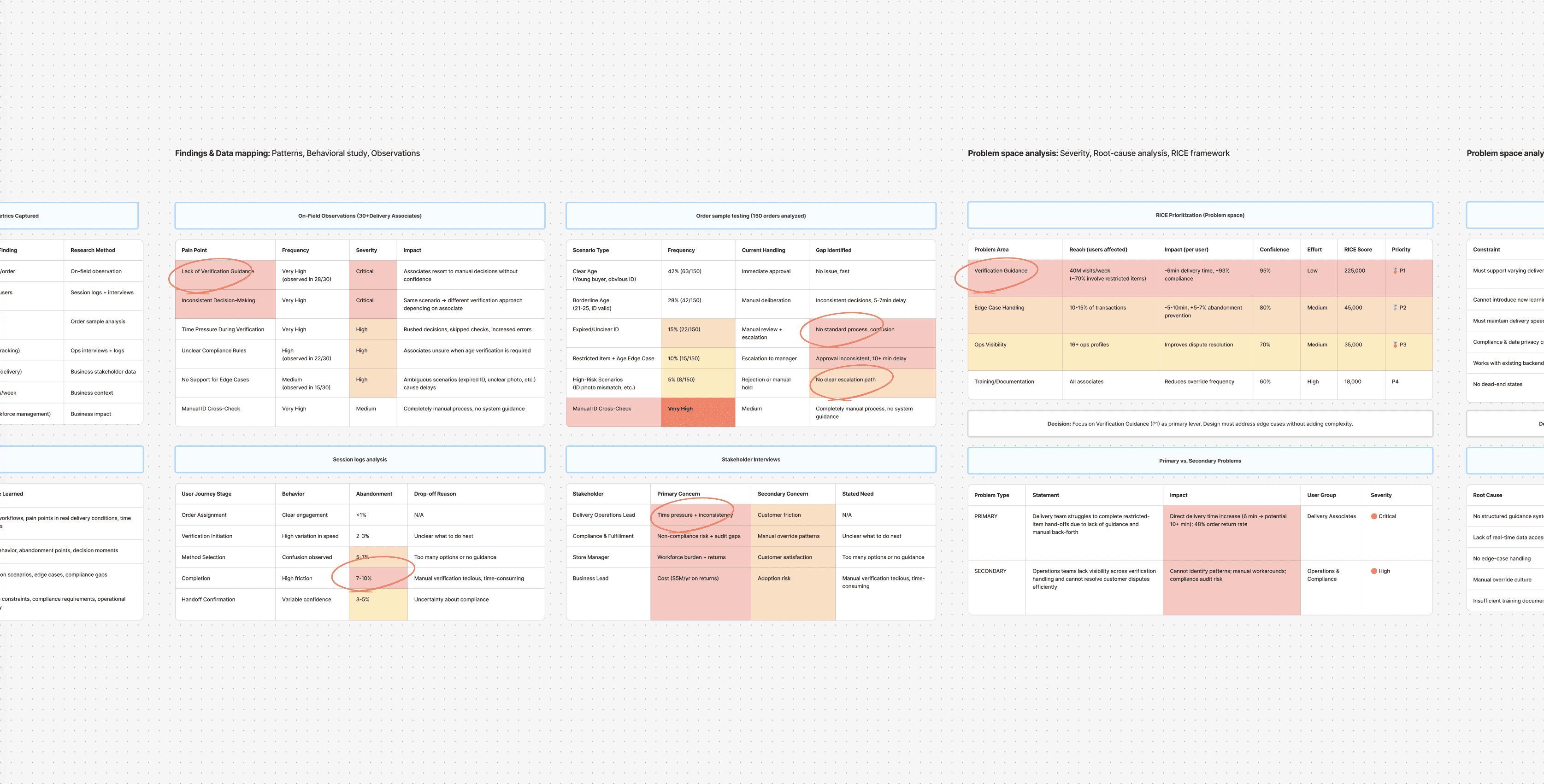
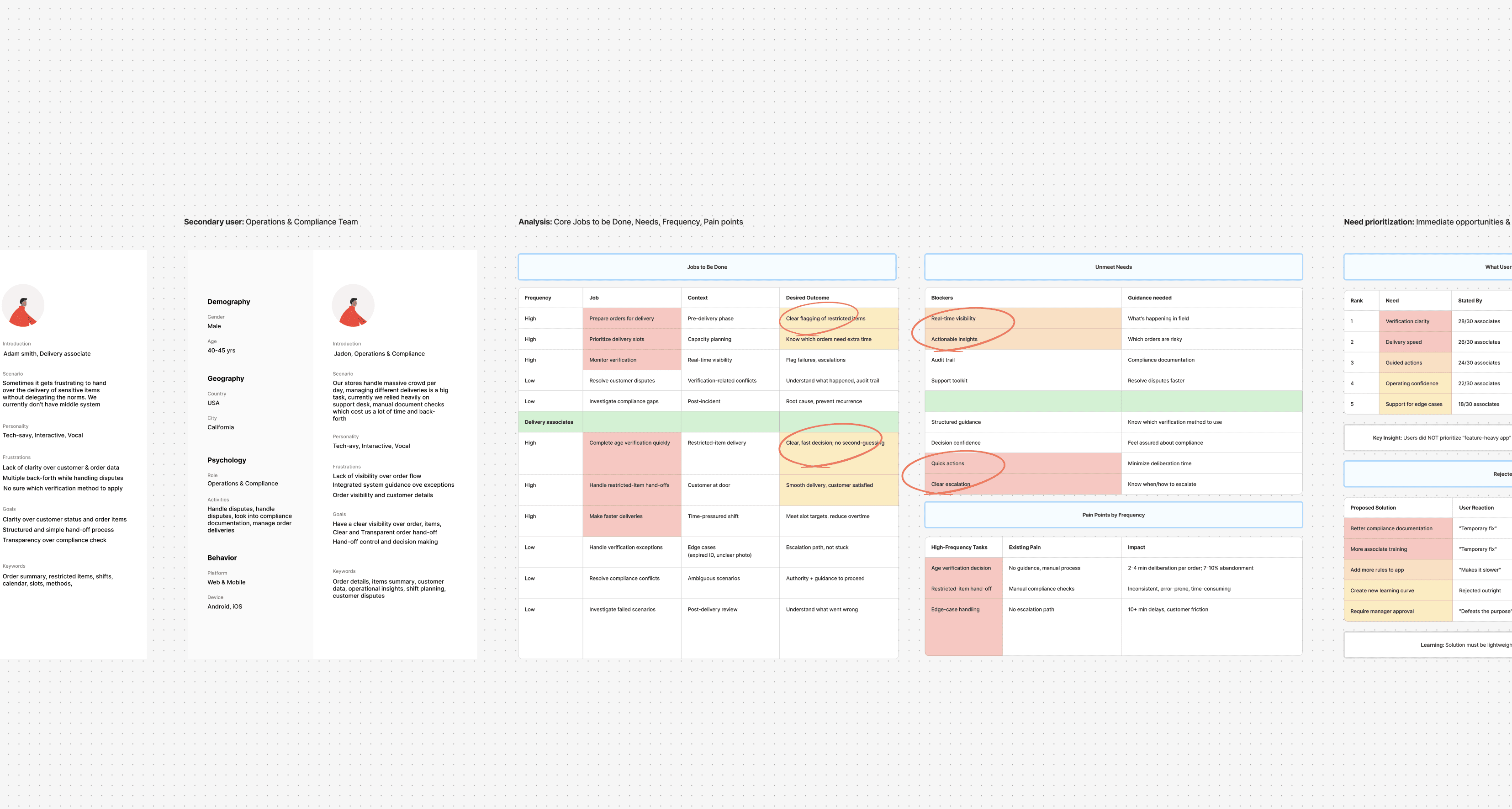
In 12+ associate interviews, we uncovered recurring friction in the verification flow. 3.5% of orders resulted in verification errors, often triggered by unclear prompts and override paths. 25% of customers arrived without valid ID, pushing associates into improvised decisions. During peak hours, step ambiguity led to hesitation contributing to a 7% abandonment rate.
The discovery phase focused on understanding operational bottlenecks during restricted-item deliveries. We conducted store visits, field interactions, workflow reviews, and analyzed session logs to identify repeated friction patterns during verification handling.
Research revealed that associates prioritized speed, clarity, and guided actions over feature-heavy workflows. One major insight was that introducing entirely new operational patterns would increase delivery friction instead of improving efficiency. The solution needed to work within existing delivery behavior while improving confidence and compliance handling.
Delivery team:
Restricted-item deliveries introduced additional compliance checks during already time-sensitive hand-offs. Associates struggled with unclear verification guidance, inconsistent decision-making, and multiple edge-case scenarios while handling customer interactions.
Operations teams:
Lacked visibility into how verification issues were being handled across stores, making dispute resolution and compliance monitoring difficult at scale.
Our North Star
The redesign sought to reduce false hand-offs, support ID-less alternatives, improve accessibility across varying tech literacy levels, bring hand-off time under 3 minutes, and create an experience capable of handling exceptions cleanly and confidently.
Field interaction
~30 users
Research
~30 users
Field interaction
~30 users
System logs
~300 Sessions
System logs
~300 Sessions
Sample
3+ Stores
Sample
3+ Stores
Mapping & Analysis
4 days
Mapping & Analysis
4 days
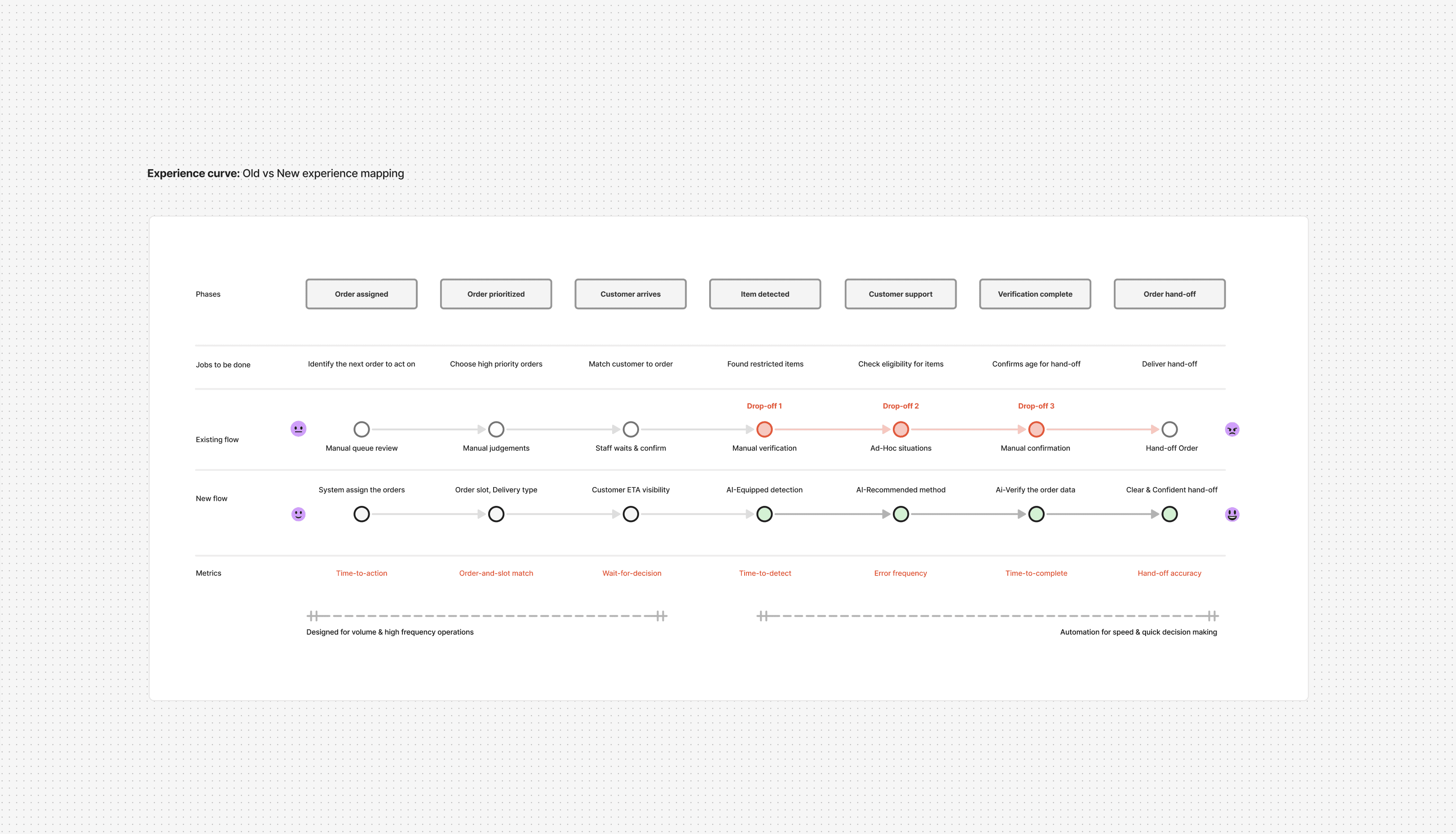
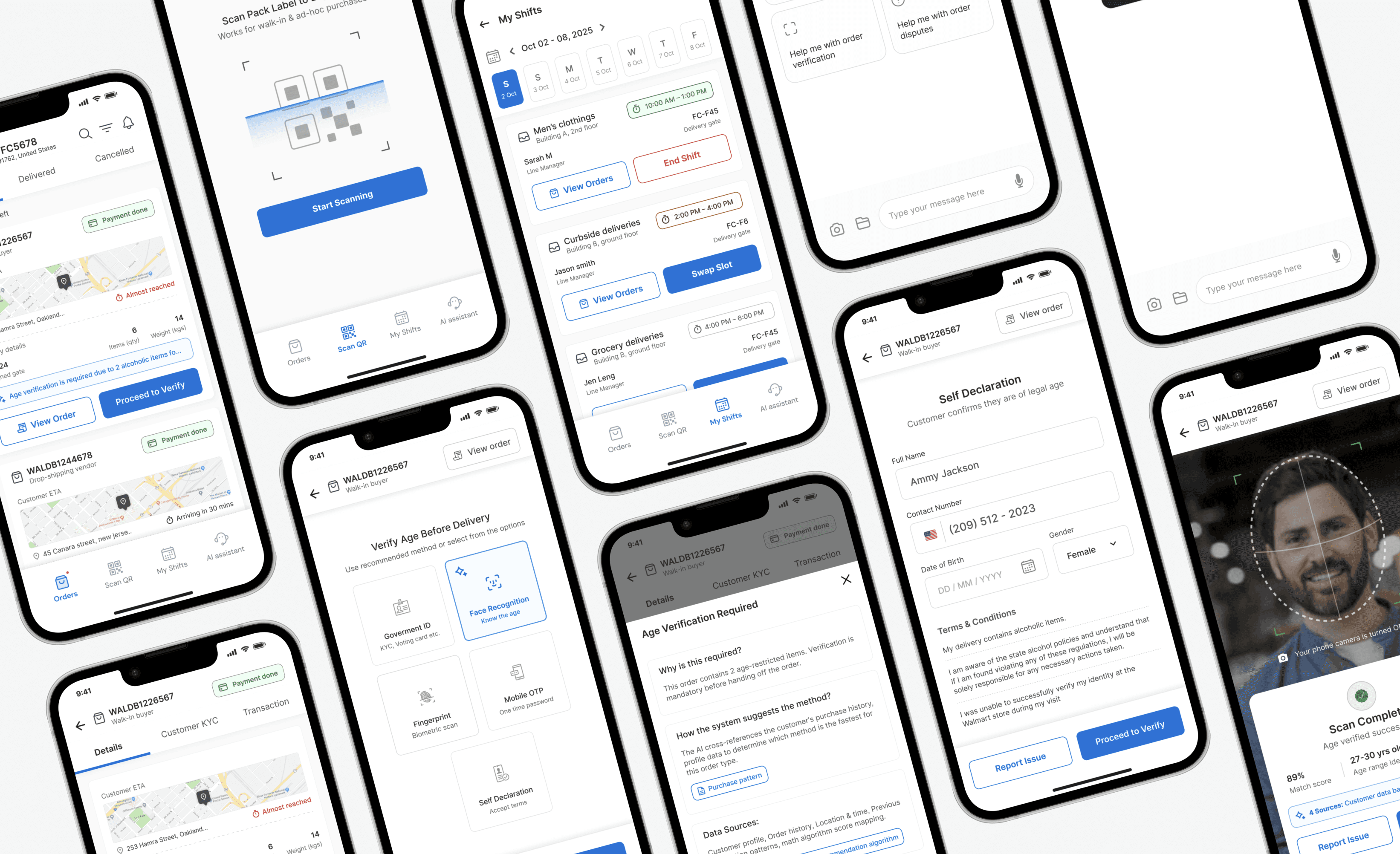
Through rapid prototyping and in-store validation, the system evolved into a guided, adaptive workflow supporting both ID and ID-less verification paths.
Guided clarity over operational complexity:
Instead of replacing operational behavior entirely, the product focused on introducing guided verification support directly inside active delivery workflows. The experience was designed to help associates make faster decisions without second-guessing verification steps during customer interactions.
The workflow balanced delivery speed, operational familiarity, and compliance handling while reducing manual interpretation effort across multiple verification scenarios.
AI-assisted operational guidance:
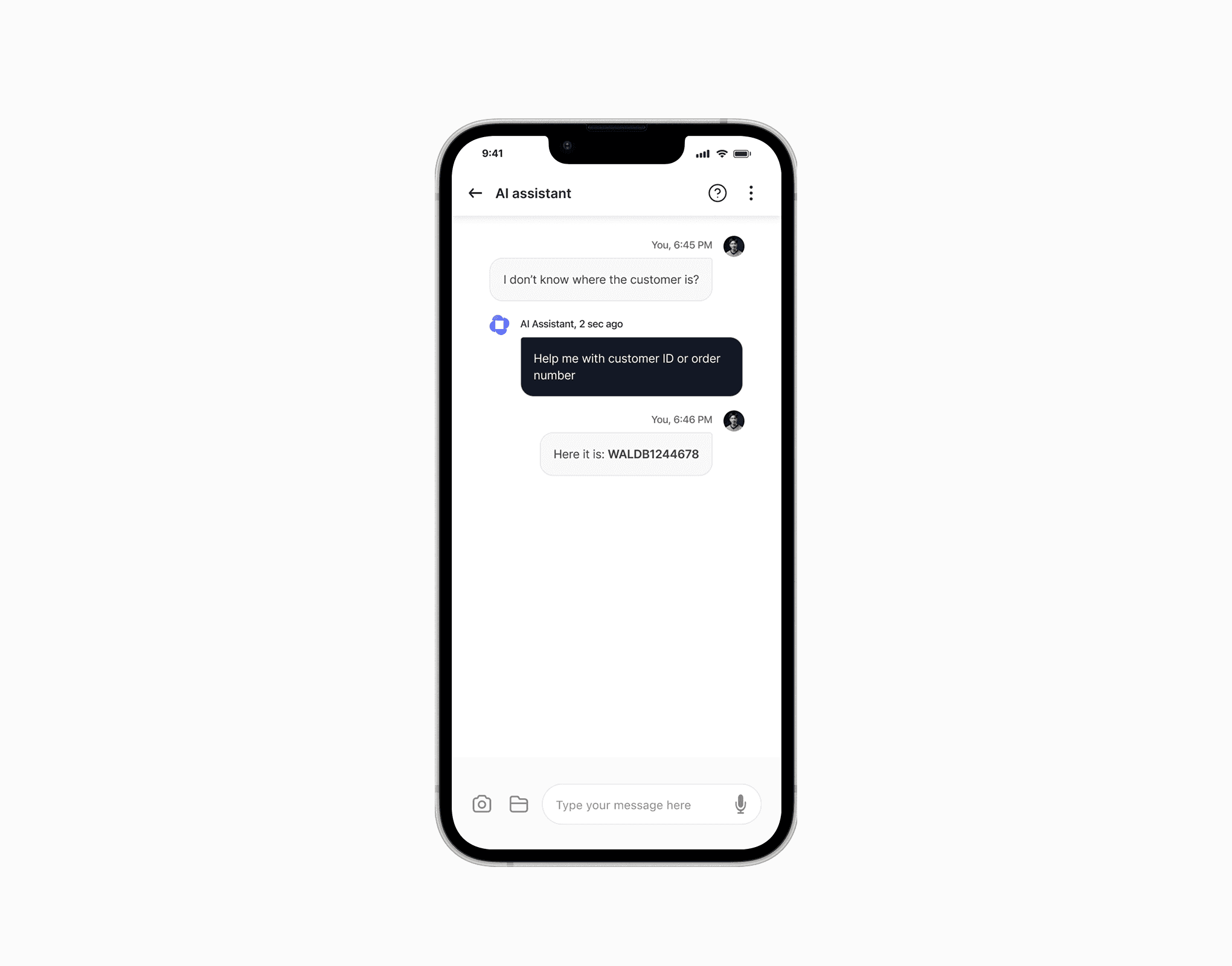
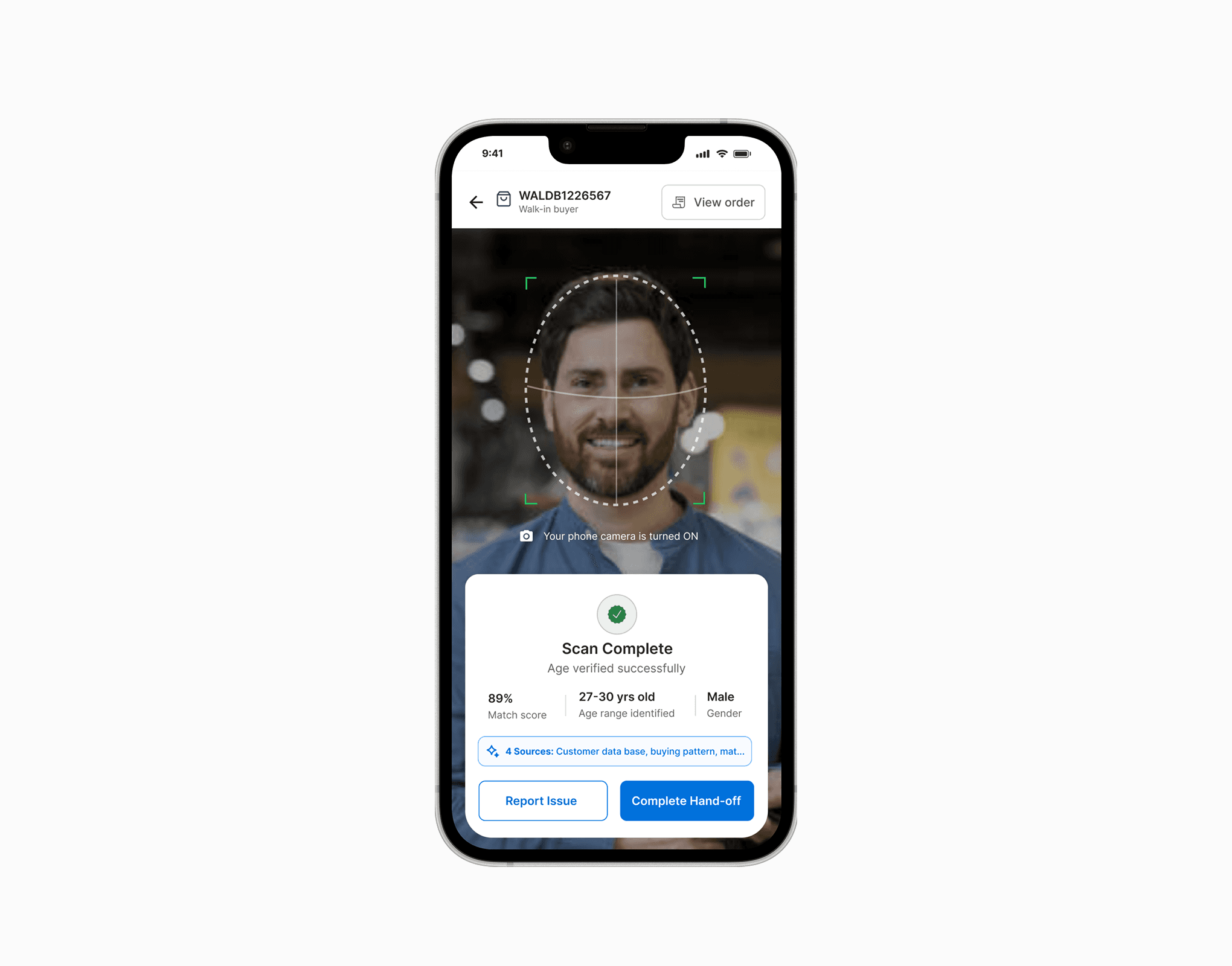
The product explored AI-assisted verification guidance to support associates during restricted-item hand-offs. Instead of fully automating compliance decisions, the system focused on surfacing contextual recommendations, verification confidence signals, and fallback guidance based on operational conditions.
The goal was to reduce cognitive effort and improve consistency while still preserving associate control during real-world delivery interactions.
Patent exploration
During the project, we studied existing compliance and verification patents to evaluate gaps across delivery-specific operational workflows. The exploration identified opportunities around AI-assisted verification selection, multi-source confidence scoring, and escalation workflows designed specifically for delivery compliance ecosystems.
The concept explored intelligent verification recommendation systems capable of adapting verification methods based on operational context, risk confidence, and fallback scenarios.
Ideate, Test & Measure
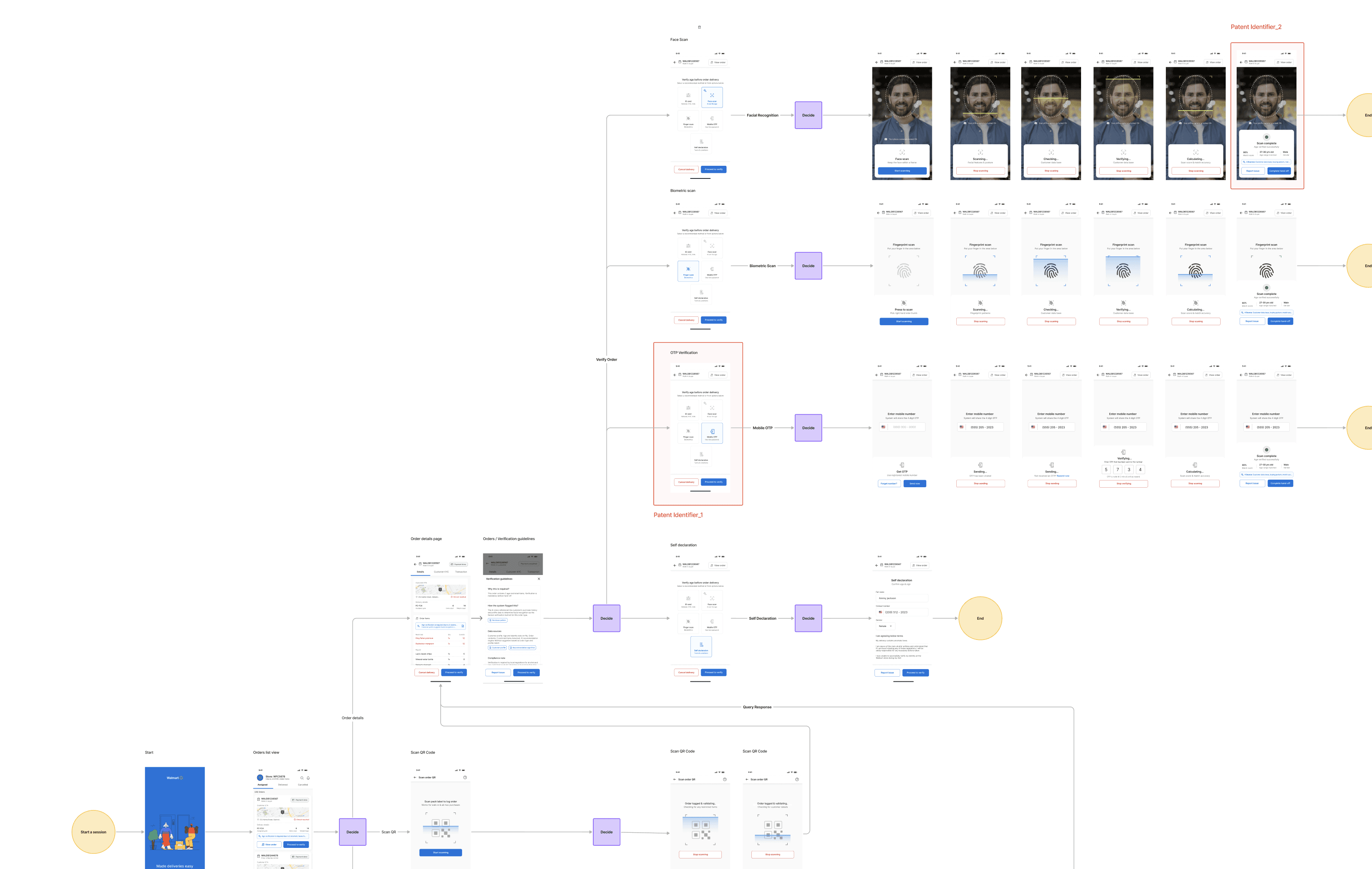
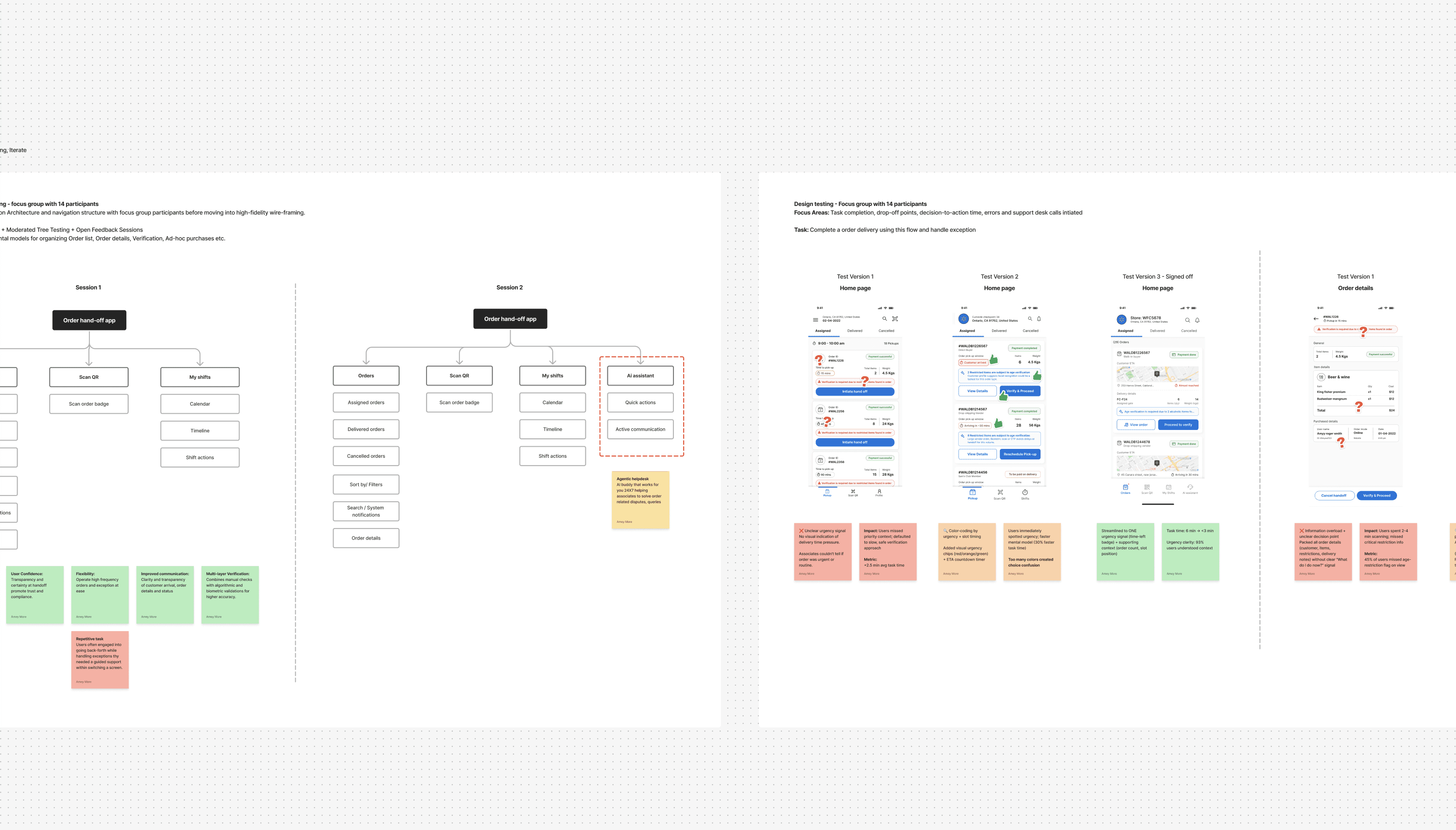
The guided verification workflow improved operational consistency while reducing hand-off friction during restricted-item deliveries.
The guided verification workflow improved operational consistency while reducing hand-off friction during restricted-item deliveries.
The final experience transformed manual verification into a structured operational flow capable of handling multiple verification states without dead ends. Different interaction variations were explored through design critiques, pilot testing, and workflow validation sessions focused on high-frequency delivery interactions.
The workflow emphasized quick actions, live operational clarity, and reduced manual effort rather than introducing additional operational layers.
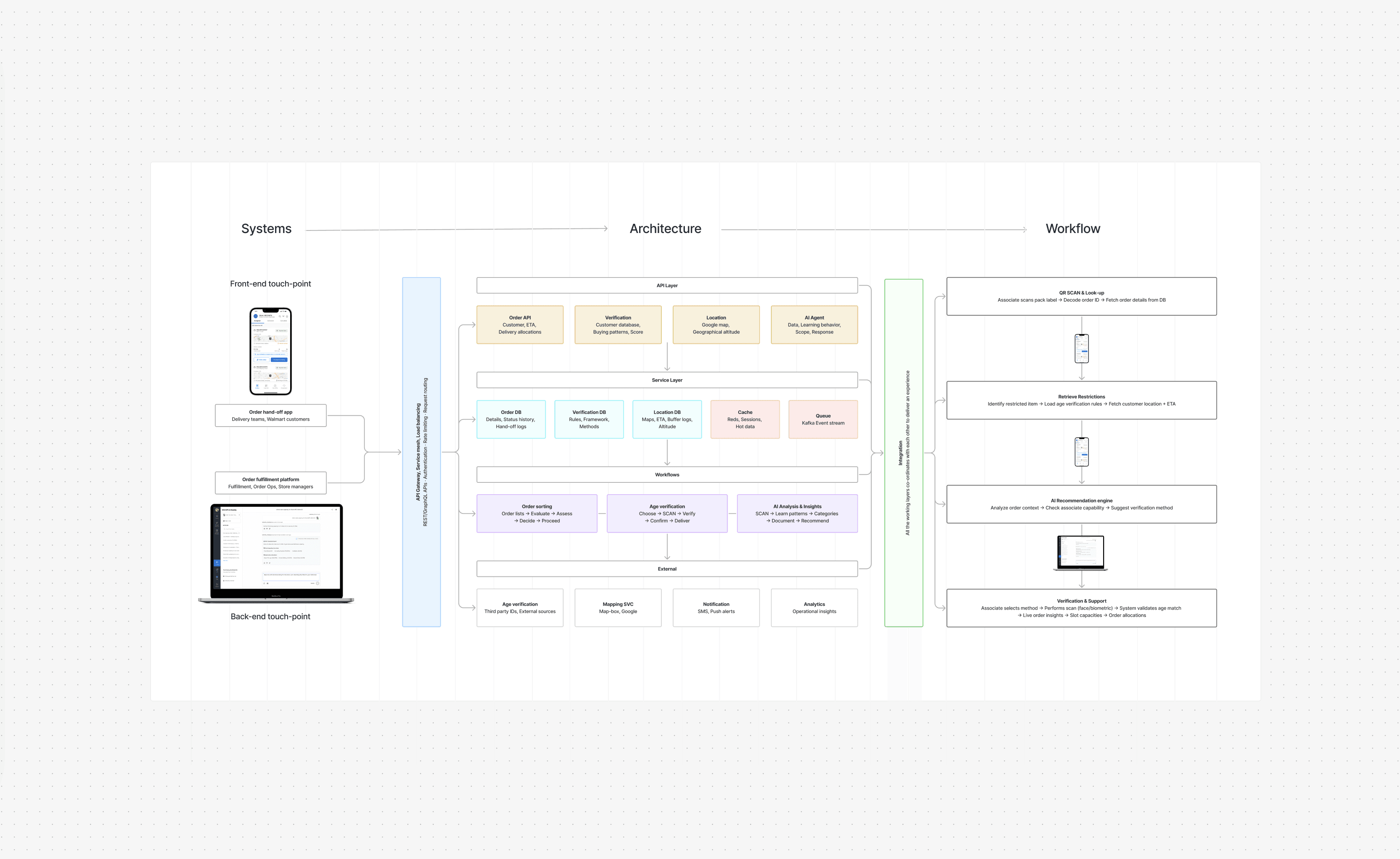
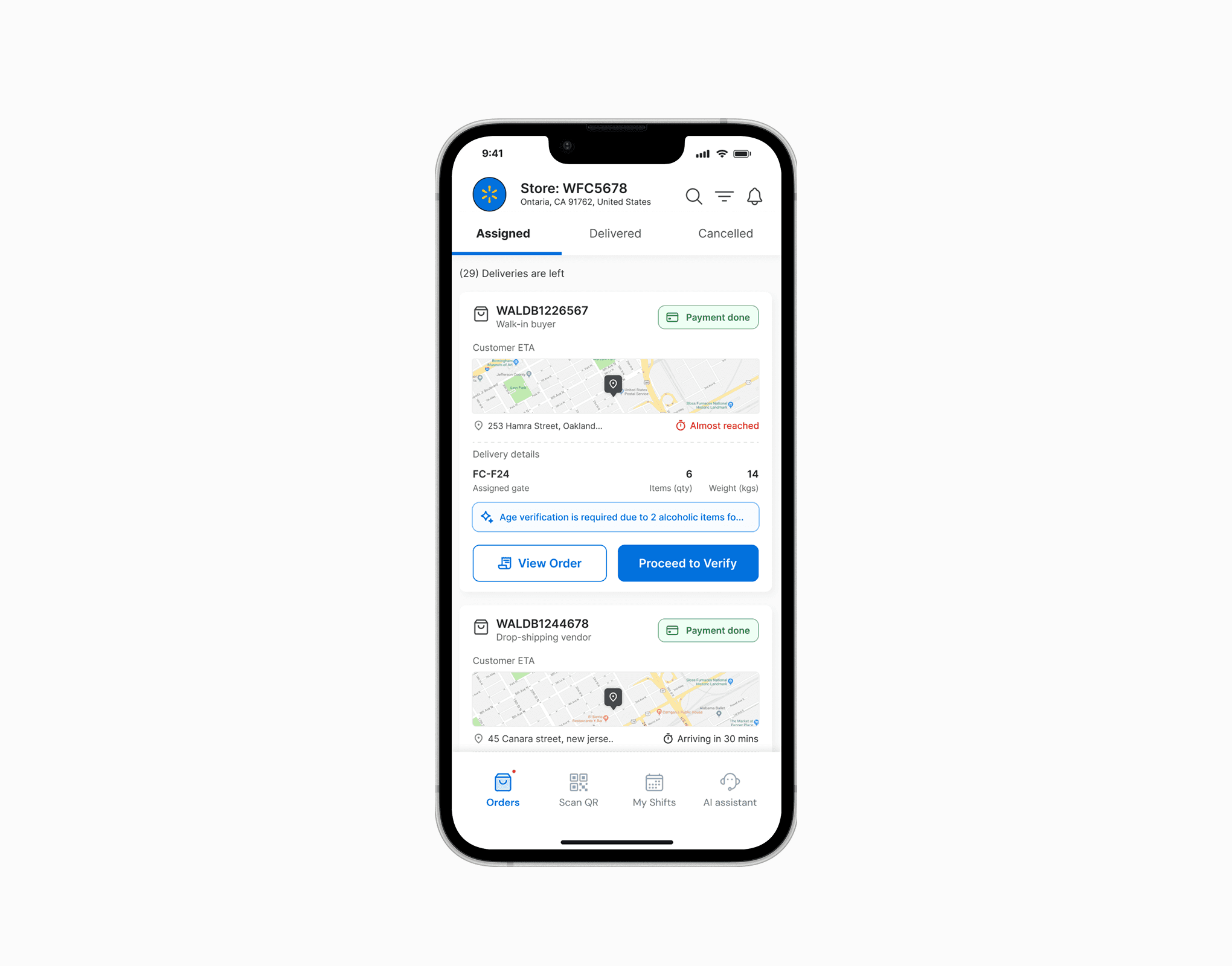
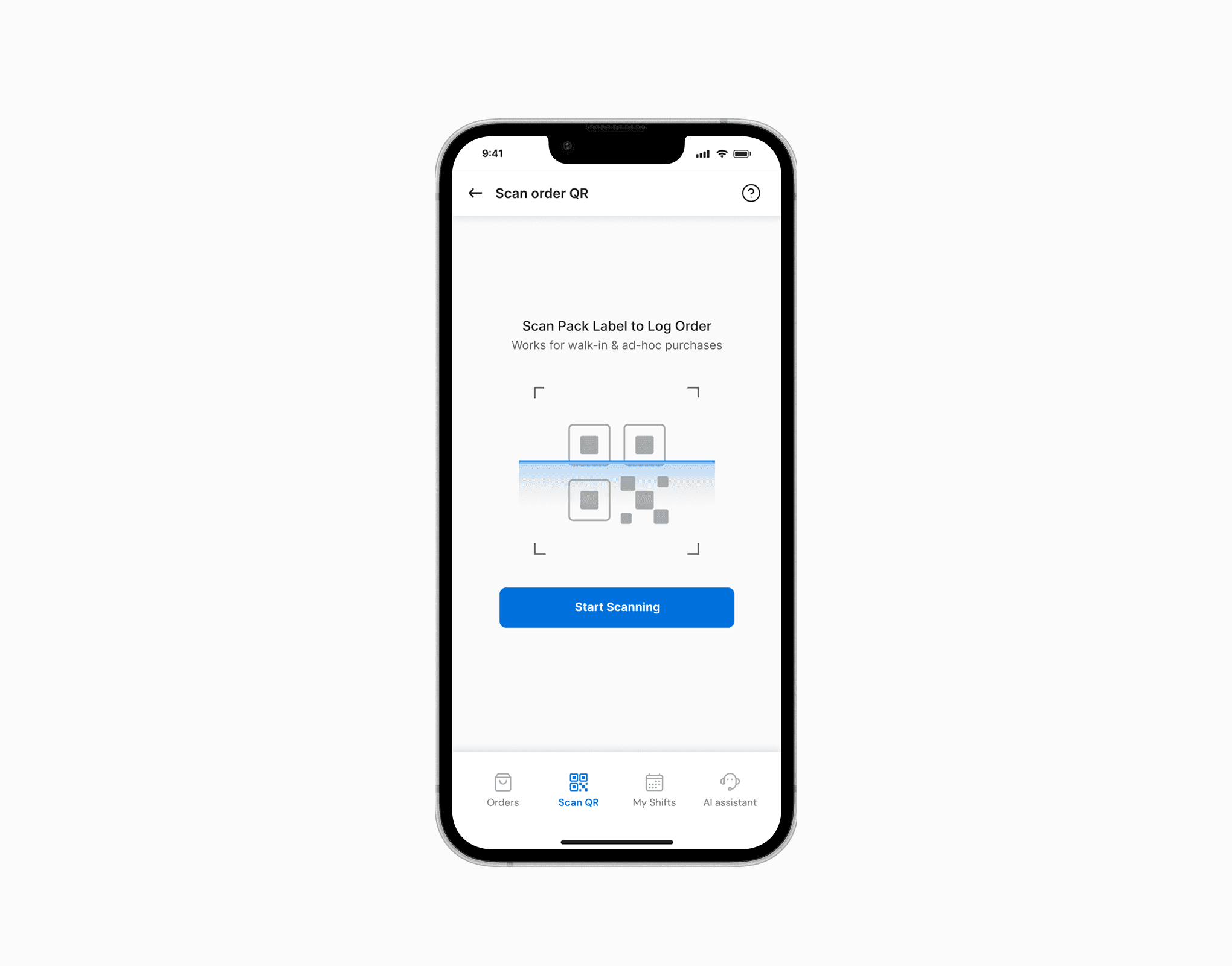

This project strengthened my approach toward designing compliance-sensitive operational systems where workflow speed, user confidence, and decision support need to coexist together.
This project strengthened my approach toward designing compliance-sensitive operational systems where workflow speed, user confidence, and decision support need to coexist together.
The guided verification workflow improved operational consistency while reducing hand-off friction during restricted-item deliveries.
One of the biggest learnings was that operational AI systems become more effective when they guide users through complex workflows instead of attempting to replace human decision-making entirely.
Impact
93% (Compliance achieved)
Impact
93% (Compliance achieved)
Impact
30% (Order return drop-off)
Impact
30% (Order return drop-off)
Impact
<4% (Verification drop-off)
Impact
<4% (Verification drop-off)
Impact
< 3 Mins (Delivery time)
Impact
< 3 Mins (Delivery time)
Explore Projects


Order Hand-Off App
Built age verification into an adaptive, peak-hour system achieving 93% compliance, 90% satisfaction, and consistent 3-minute hand-offs.
Order Hand-Off App
Built age verification into an adaptive, peak-hour system achieving 93% compliance, 90% satisfaction, and consistent 3-minute hand-offs.
Order Hand-Off App
Built age verification into an adaptive, peak-hour system achieving 93% compliance, 90% satisfaction, and consistent 3-minute hand-offs.
Status & Year
Launched (2024-25)
Status
Launched (2024-25)
Status & Year
Launched (2024-25)
Company
Walmart
Company
Walmart
Disclaimer
This project is based on real-world experience in a Walmart's enterprise environment. Sensitive data, system identifiers have been modified to maintain confidentiality.
Problem Statement & Challenges
Alcohol pickup verification was a high-stakes within Walmart’s ordering ecosystem. Associates had to confirm legal eligibility under strict compliance standards, yet decision critical signals were fragmented across multiple screens.
Under peak-hour pressure, this increased cognitive load, slowed throughput, and elevated regulatory risk especially in edge cases such as ID mismatches, partial data validation, or manual overrides.
My Contribution
Led the end-to-end product design process across discovery, workflow mapping, prototyping, validation, and implementation support. Collaborated closely with research, product, engineering, operations, and compliance stakeholders to define workflow priorities, identify operational friction, validate verification scenarios, and support sprint delivery.
Partnering closely with Operations, Engineering, and Compliance, we delivered a solution that upheld legal rigor without slowing store throughput.
Design
1 Member
Design
1 Member
Product
2 Members
Product
2 Members
Engg+Data+Ops
3 Members
Engg+Data+Ops
3 Members
Timeline
2 Sprints
Timeline
2 Sprints
Persona, Jobs to be done
In 12+ associate interviews, we uncovered recurring friction in the verification flow. 3.5% of orders resulted in verification errors, often triggered by unclear prompts and override paths. 25% of customers arrived without valid ID, pushing associates into improvised decisions. During peak hours, step ambiguity led to hesitation contributing to a 7% abandonment rate.
The discovery phase focused on understanding operational bottlenecks during restricted-item deliveries. We conducted store visits, field interactions, workflow reviews, and analyzed session logs to identify repeated friction patterns during verification handling.
Research revealed that associates prioritized speed, clarity, and guided actions over feature-heavy workflows. One major insight was that introducing entirely new operational patterns would increase delivery friction instead of improving efficiency. The solution needed to work within existing delivery behavior while improving confidence and compliance handling.
Delivery team:
Restricted-item deliveries introduced additional compliance checks during already time-sensitive hand-offs. Associates struggled with unclear verification guidance, inconsistent decision-making, and multiple edge-case scenarios while handling customer interactions.
Operations teams:
Lacked visibility into how verification issues were being handled across stores, making dispute resolution and compliance monitoring difficult at scale.
Our North Star
The redesign sought to reduce false hand-offs, support ID-less alternatives, improve accessibility across varying tech literacy levels, bring hand-off time under 3 minutes, and create an experience capable of handling exceptions cleanly and confidently.
Field interaction
~30 users
Research
~30 users
Field interaction
~30 users
System logs
~300 Sessions
System logs
~300 Sessions
Sample
3+ Stores
Sample
3+ Stores
Mapping & Analysis
4 days
Mapping & Analysis
4 days
Through rapid prototyping and in-store validation, the system evolved into a guided, adaptive workflow supporting both ID and ID-less verification paths.
Guided clarity over operational complexity:
Instead of replacing operational behavior entirely, the product focused on introducing guided verification support directly inside active delivery workflows. The experience was designed to help associates make faster decisions without second-guessing verification steps during customer interactions.
The workflow balanced delivery speed, operational familiarity, and compliance handling while reducing manual interpretation effort across multiple verification scenarios.
AI-assisted operational guidance:
The product explored AI-assisted verification guidance to support associates during restricted-item hand-offs. Instead of fully automating compliance decisions, the system focused on surfacing contextual recommendations, verification confidence signals, and fallback guidance based on operational conditions.
The goal was to reduce cognitive effort and improve consistency while still preserving associate control during real-world delivery interactions.
Patent exploration
During the project, we studied existing compliance and verification patents to evaluate gaps across delivery-specific operational workflows. The exploration identified opportunities around AI-assisted verification selection, multi-source confidence scoring, and escalation workflows designed specifically for delivery compliance ecosystems.
The concept explored intelligent verification recommendation systems capable of adapting verification methods based on operational context, risk confidence, and fallback scenarios.
Ideate, Test & Measure
The guided verification workflow improved operational consistency while reducing hand-off friction during restricted-item deliveries.
The guided verification workflow improved operational consistency while reducing hand-off friction during restricted-item deliveries.
The final experience transformed manual verification into a structured operational flow capable of handling multiple verification states without dead ends. Different interaction variations were explored through design critiques, pilot testing, and workflow validation sessions focused on high-frequency delivery interactions.
The workflow emphasized quick actions, live operational clarity, and reduced manual effort rather than introducing additional operational layers.
This project strengthened my approach toward designing compliance-sensitive operational systems where workflow speed, user confidence, and decision support need to coexist together.
This project strengthened my approach toward designing compliance-sensitive operational systems where workflow speed, user confidence, and decision support need to coexist together.
The guided verification workflow improved operational consistency while reducing hand-off friction during restricted-item deliveries.
One of the biggest learnings was that operational AI systems become more effective when they guide users through complex workflows instead of attempting to replace human decision-making entirely.
Impact
93% (Compliance achieved)
Impact
93% (Compliance achieved)
Impact
30% (Order return drop-off)
Impact
30% (Order return drop-off)
Impact
<4% (Verification drop-off)
Impact
<4% (Verification drop-off)
Impact
< 3 Mins (Delivery time)
Impact